

In recent days, the withdrawal of blogger “Lao A,” who was studying in the United States, told his story of a “US kill line,” triggering heated debate—personal assets below a certain threshold may fall into a systematic dilemma. Behind this discussion, a more general reality is reflected: In all areas of life, people are faced with invisible “thresholds” and “restrictions”.
In the field of health care, such a “kill line” also exists, and it’s directly about our life. When the world’s top multi-cancer early screening product, Galleri, came out priced at $10,000, a clear health gap, divided by economic capacity, emerged.
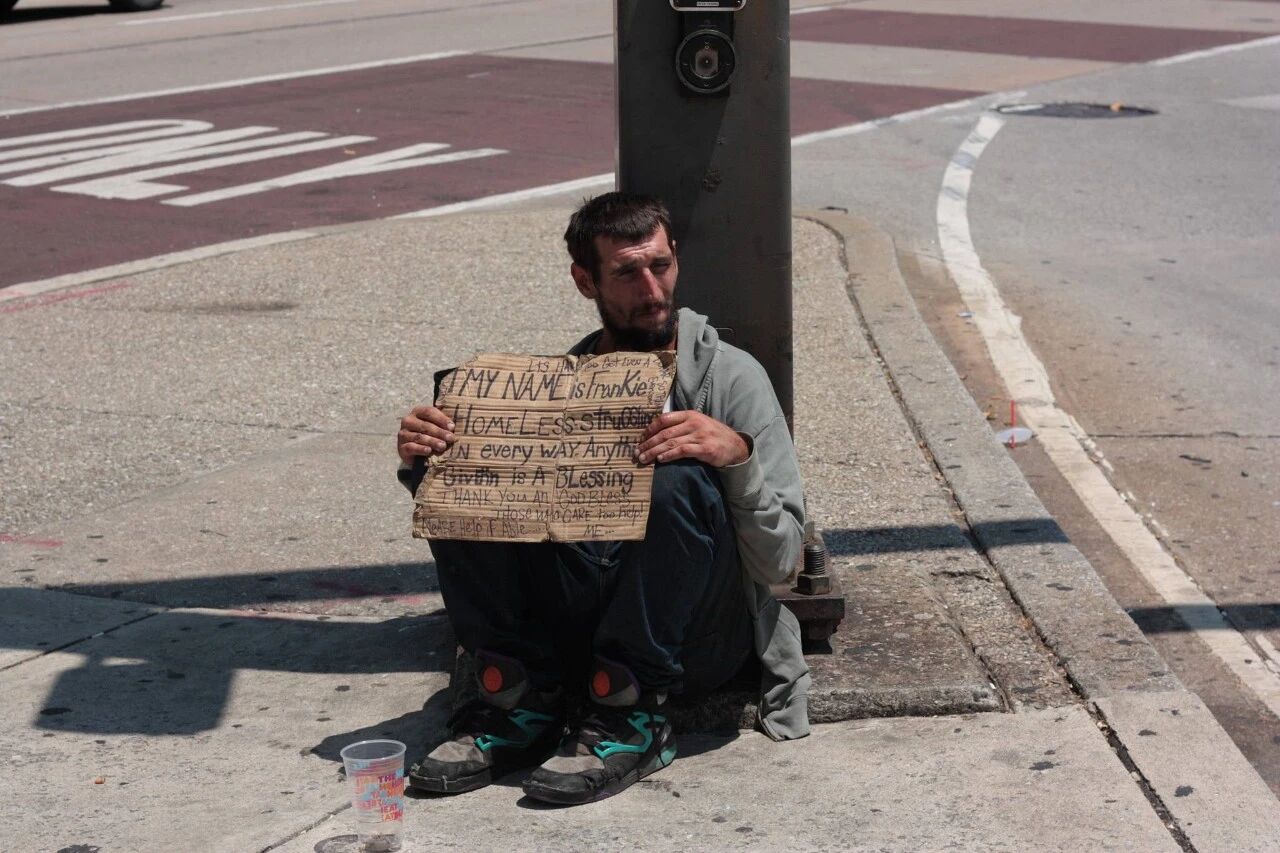
Invisible “Line,” Visible Dilemma
Blogger “Lao A’’s” theory of a “$140,000 kill line” depicted the survival risk under a specific social structure. In the medical field, similar “price cutting line” is more direct and crueler: It lies between advanced detection technology and ordinary people and has become an invisible barrier for many people to actively manage their health.
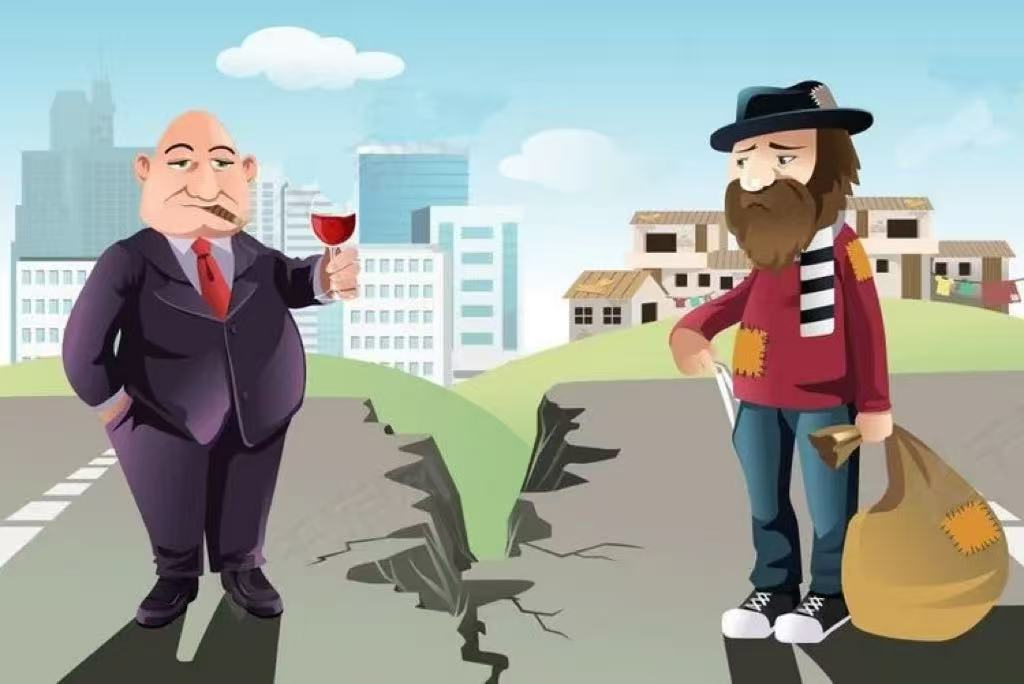
Galleri’s $10,000 price tag isn’t affordable for ordinary families, even in developed countries. This undermines a sharp question: when a technology that significantly improve cancer cure rates exists, only to serve a select few because of its pricing, is it progress or a new inequality?
Behind the price disparity: what does a 20-fold gap mean?
With the shining star cancer early screening product on the international market priced at $10,000, this “health kill line” has singled out the vast majority of American families.
Even if insurance covers part of the cost, the patient could still have to pay thousands of dollars out-of-pocket—that amount may might as well be the “$140,000 kill line.” It’s still an expenditure that may trigger a financial crisis.
In China, it’s a different story
A similar product created by HymonBio Co., Ltd. in Suzhou is priced at only $400 (roughly less than 3000 yuan). This is only a fraction of Galleri’s.
In the USA, cancer early screening is still a “luxury” for many families. In China, HymonBio strives to turn it into “daily consumer good.”
No longer simple price competition, but a major revolution in medical resources
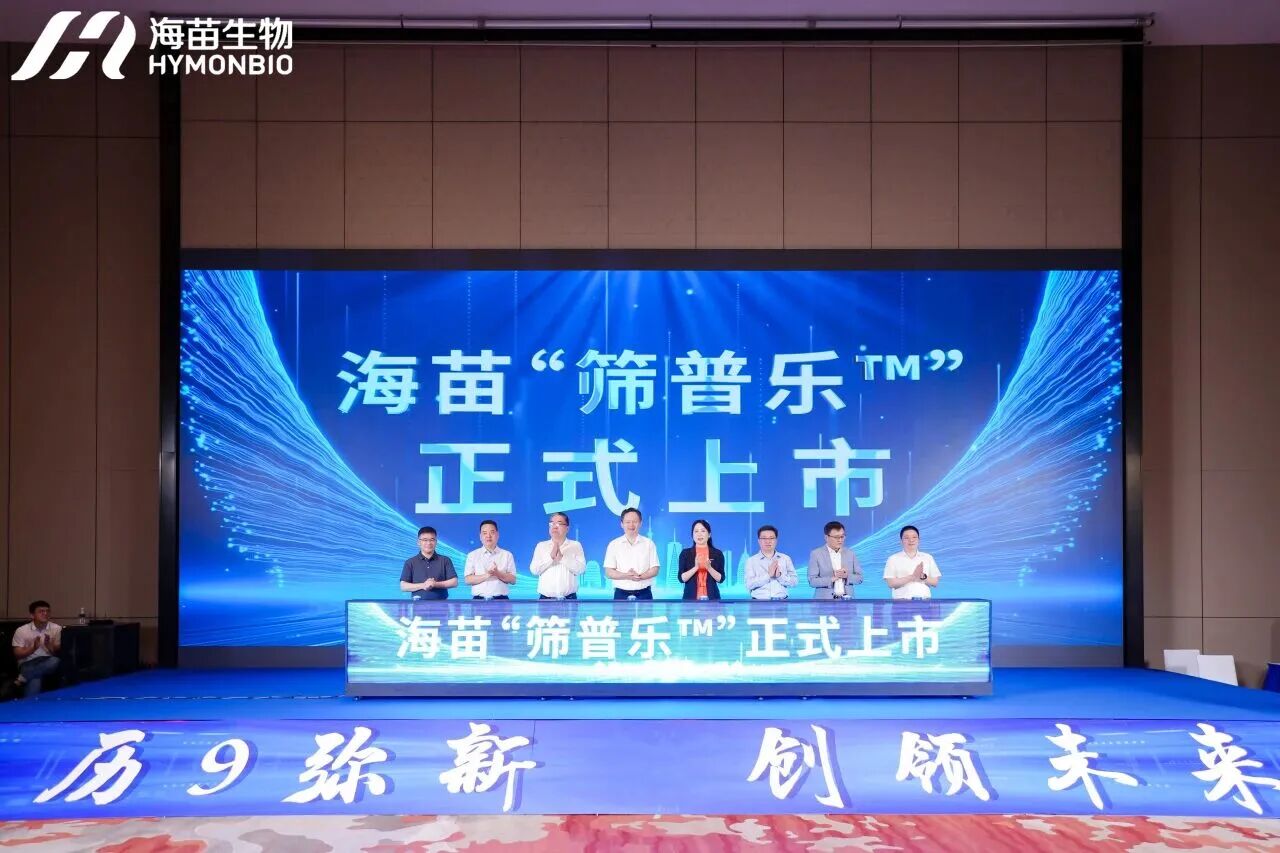
The $40,000 that blogger “Lao A” had to give up his study in the United States for an emergency evacuation, is the equivalent of 10 of HymonBio’s cancer early screening tests.
If every 100 families missed an opportunity for cancer early detection because they cannot afford it, how many lives will be lost? How many families will fall into the medical abyss?
HymonBio’s logic is straightforward: To not let price be the obstacle to health, and eliminate the “kill line” in cancer early screening.
Blogger “Lao A” had the assistance of many parties: The Chinese Embassy in the USA, Chinese-Americans in the USA, and retired staff with remote guidance. These forces together formed a protective net.
In the field of health, HymonBio hopes to become a similar protective net for every Chinese family
We shouldn’t have to undergo heart-stopping evacuation, or give up our hard-earned money, or have to choose between health or finances—that’s the meaning behind our product’s existence!
At the end of his stream, blogger “Lao A” safely arrived in Shanghai. Across his screen were viewers welcoming him home. He plans to turn to theoretical studies and continues to share his observation and thoughts.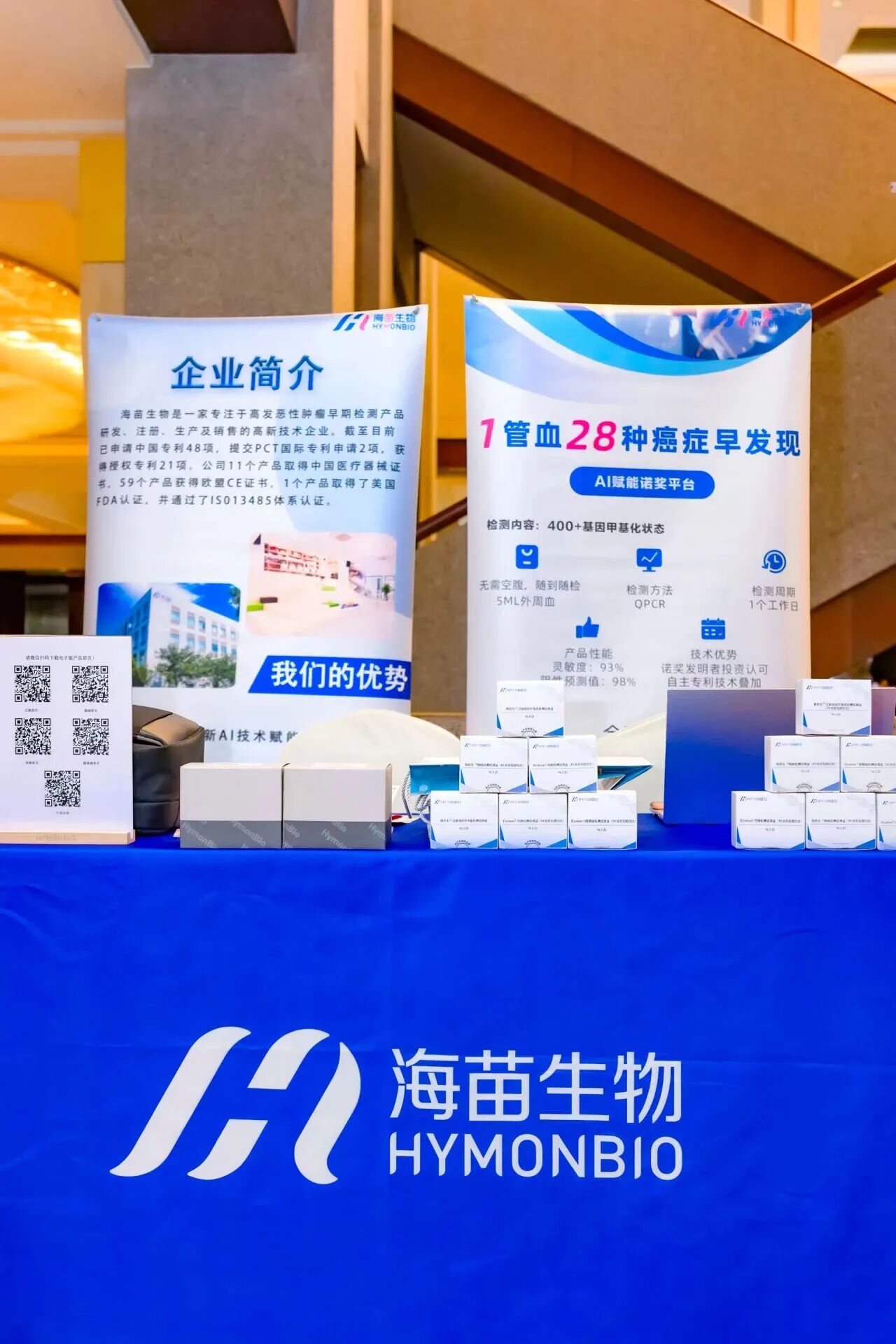
On the other side of the battlefield, scientists at HymonBio are fighting their own battle. Their goal is clear: to make cancer screening more accessible so Chinese families will not have to compromise their health with financial difficulties.
As blogger “Lao A’s” story triggered plights of transnational survival, HymonBio’s products provide a simple answer: In China, there should be no “kill line” more valuable than life!
Health is priceless, and early screening is one path—This is not only a slogan, but also our commitment to everyday experiments, production, and clinical validation.
Post time: Jan-22-2026