
Where do we go with the medical future?
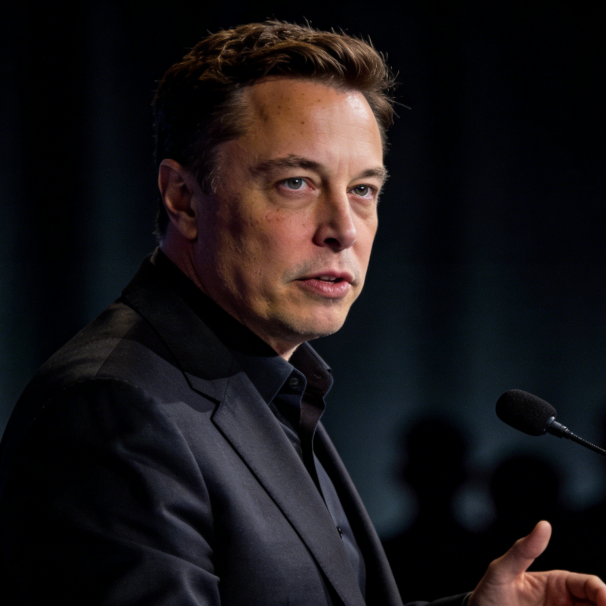
Elon Musk’s latest interview boasts: “AI has 3 years of being a super surgeon, and in 5 years it will be rolled out! It will be meaningless to study medicine in the future. Everyone will experience presidential-level medical care!” Frankly speaking, AI wants to destroy doctors’ livelihoods.
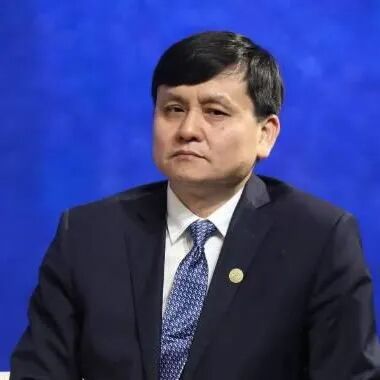
Zhang Wenhong said, “I refuse to let AI enter our hospital medical systems!” In his article in the Chinese Journal of Internal Medicine, he emphasized that the core of medical AI is “assistance,” not “substation”. “My department has done tests. Missed diagnosis rate from AI for rare diseases reached 18%, much higher than that of senior doctors (2.3%)!”
He even openly points out “fatal side effects” of AI: doctors must first be trained to distinguish rights and wrongs of AI before they dare to use it—novices rely on AI to diagnose cases despite lack of experience, and they cannot even distinguish when AI is wrong, which is the biggest issue!
On one hand, the tech savvy is shouting “substitution.” On the other hand, the medical leader sticks to the “bottom line.” So, who should patients trust?
✅ AI is really amazing
Officially disclosed by Tiantan Hospital in 2024: AI only needs 3 minutes to complete a stroke report (it takes 35 minutes for it to be done manually)
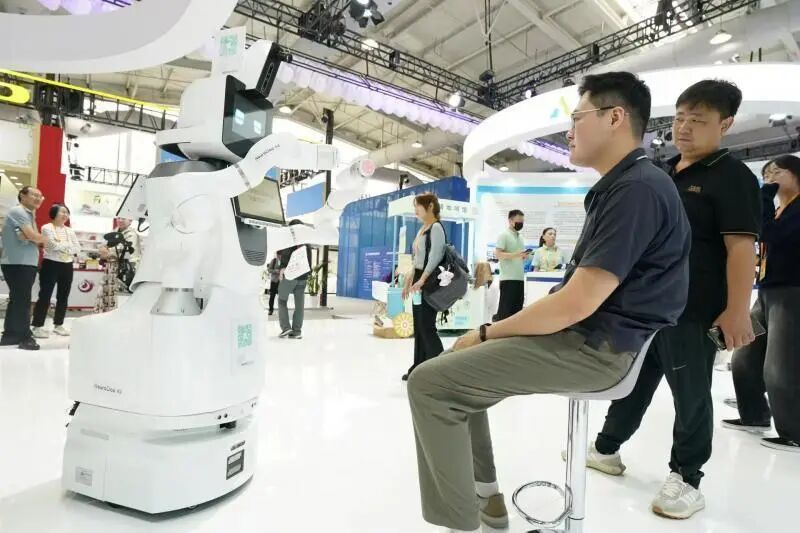
- When interviewed, director of the First Hospital of Zhejiang University Pathogen Department said, “AI screens pathologically, and identifies 10,000 cells a second. Young doctors don’t have to work late as ‘screeners” anymore. Missed diagnosis rates has decreased from 5% to 0.8%.”

❌ AI can be risky and deadly
- A case in 2023 was reported by a provincial health commission: a young doctor in a Western grassroot hospital used an unreviewed AI diagnosis report, missing a diagnosis of “pneumonia with pleural effusion” in a child, resulting in the child’s extended hospitalization.
- Netizen @阿茂 shares: “Last time I asked AI, it said I had ‘coronary heart disease.’ It scared me so much I registered for an overnight checkup. The doctor read the report and told me I just stayed up late and had myocardial ischemia—I was scared for three days for nothing!”
Medical treatment is not an assembly line. AI helps save time, but who is responsible for the problem? Do you dare trust your life to AI?
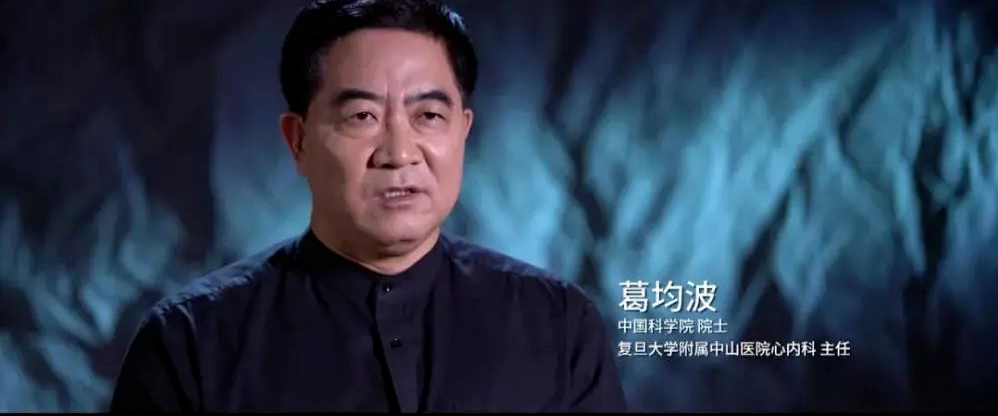
Ge Junbo, an academician at the Chinese Academy of Sciences, says AI cannot completely replace doctors right now. It is limited not only by the lack of technology, but also involves medical ethics, because doctors, rather than AI, bear the legal responsibility and moral obligation of diagnosis and treatment.
At the same time, he acknowledges that despite his rich clinical experience, AI will definitely surpass his knowledge in the future. He looks forward to using AI to make medical treatment more precise and efficient.
Do you agree AI is only for assistance, or do you think it will replace doctors?
Post time: Jan-19-2026